If you drive in Edmonton through winter, the short answer is yes: winter tires are strongly recommended.
Edmonton winters are not mild. We deal with long stretches of freezing temperatures, sudden cold snaps, packed snow, polished intersections, back-alley ruts, icy residential roads and highway conditions that can change fast. Even if your vehicle has all-wheel drive or traction control, your tires are still the only part of the vehicle touching the road.
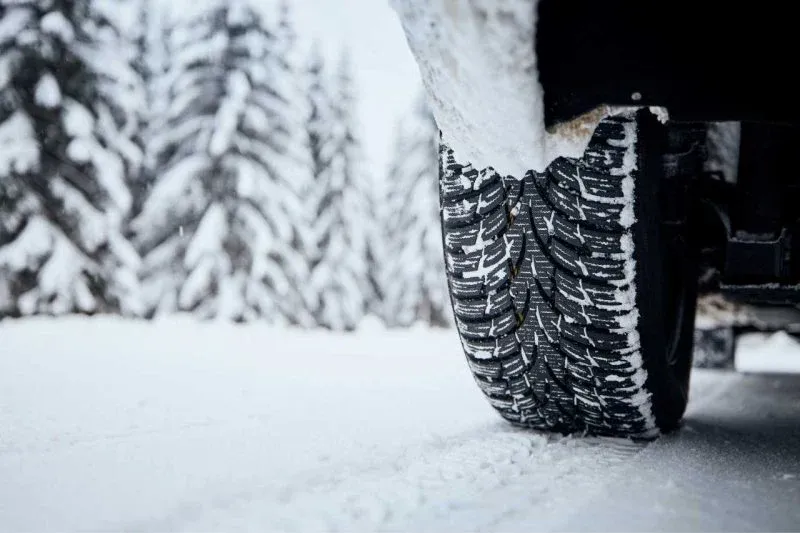
Winter tires help because they are built differently from all-season tires. The biggest difference is the rubber compound.
Winter Tire Rubber Stays Softer in the Cold
All-season tires are designed to handle a wide range of conditions, but their rubber gets harder as the temperature drops. Once the weather is consistently around 7°C and below, all-season tires start losing grip because the tread becomes less flexible.
Winter tires use a softer cold-weather rubber compound. That softer rubber stays more flexible in freezing temperatures, which helps the tire conform to the road surface and maintain traction.
In Edmonton, this matters a lot. We do not just get a few chilly mornings. We can hit very low temperatures, and when the rubber gets stiff, the tire has a harder time gripping snow, ice and cold pavement.
Ice Is a Major Problem on Edmonton Roads
Snow is only part of the issue. Ice accumulation is often the bigger problem.
Edmonton roads can go through freeze-thaw cycles where snow melts during the day and refreezes at night. Intersections can become polished from traffic. Residential streets can develop hard-packed snow and hidden ice. Parking lots, ramps, bridges and side roads can all get slippery before they look dangerous.
Winter tires are designed with tread patterns and siping that help bite into snow and grip icy surfaces better than regular all-season tires. Sipes are the small cuts in the tread blocks that create more biting edges. Those extra edges help the tire hold the road when traction is limited.
Winter Tires Help You Stop Sooner
A lot of drivers think about winter tires as something that helps them get moving. That is true, but the bigger safety benefit is braking.
Getting stuck is annoying. Not stopping in time is dangerous.
Winter tires can improve stopping distance on cold, snowy and icy roads because they keep more usable grip in winter conditions. That can make a real difference when someone stops suddenly in front of you, a light changes, or traffic slows down on the Whitemud, Anthony Henday, Gateway Boulevard, Calgary Trail or Yellowhead.
All-Wheel Drive Does Not Replace Winter Tires
All-wheel drive can help you accelerate, but it does not magically improve braking or cornering grip. An AWD SUV on poor tires can still slide through an icy intersection.
Winter tires help all vehicles, including front-wheel drive, rear-wheel drive, all-wheel drive and four-wheel drive. The drivetrain helps move the vehicle. The tires help it grip, turn and stop.
Edmonton Winters Are Long Enough to Justify Them
Winter tires make the most sense when cold weather is not just a short season. In Edmonton, winter driving conditions can stretch for months. That means your tires are dealing with cold pavement, slush, snow and ice for a big part of the year.
Using winter tires also lets your summer or all-season tires rest during the harshest months, which can help extend the life of both sets when rotated properly.
What About All-Weather Tires?
All-weather tires can be a good choice for some Edmonton drivers, especially if you want one tire that can legally and practically handle winter-rated conditions. They are different from all-season tires.
The key thing to look for is the three-peak mountain snowflake symbol. That symbol means the tire meets a winter traction standard. Some all-weather tires have it. Most regular all-season tires do not.
That said, dedicated winter tires are usually still the stronger choice for maximum winter grip, especially if you drive early mornings, late nights, highways, hills, icy side streets, or you simply want the safest winter setup.
When Should You Install Winter Tires?
A good rule is to install winter tires once temperatures are regularly around 7°C and below. Do not wait until the first major snowstorm. By then, tire shops are busy, appointment times fill up, and you may already be driving on cold roads with tires that are not performing at their best.
In Edmonton, planning early usually makes the season much easier.
So, Do You Need Winter Tires in Edmonton?
For most drivers, yes.
Winter tires give you better cold-weather traction, better grip on snow and ice, and more confidence when roads get rough. They are especially important if you commute daily, drive with family, use highways, park outside, work early or late, or cannot avoid driving during storms.
At YEGTires.com, we help Edmonton drivers compare winter tires, all-weather tires and budget-friendly options by size or vehicle. If you are not sure what fits, start with your tire size or vehicle details and compare options online.
Shop winter tires in Edmonton at YEGTires.com.