This is one of the most common questions people ask before installing a remote starter, especially in Edmonton where winter is hard on batteries.
The short answer is: a properly installed modern remote starter should not drain a healthy battery. The longer answer is that every vehicle has some normal key-off power draw, and a remote starter adds a small amount to that system. The important thing is whether that draw stays within a normal range and whether the vehicle's computers are allowed to go fully to sleep.
What Is Parasitic Draw?
Parasitic draw is the small amount of electrical power a vehicle uses while it is turned off.
Even with the key out, a modern vehicle is not completely dead. The car's computer modules, clock, alarm, keyless entry receiver, immobilizer, memory settings, and other electronics may all use a small amount of standby power.
That is normal. A vehicle needs a little power to remember settings and listen for commands.
A problem starts when something keeps drawing too much power after the vehicle is shut off. That can be caused by a module that does not go to sleep, a stuck relay, weak wiring, a failing battery, or an accessory that was installed incorrectly.
Modern Remote Starters Use Very Little Standby Power
New remote starters are designed to sit in standby mode and wait for a signal. They are not supposed to stay awake and pull heavy current all night.
In a good installation, the remote starter's standby draw is in the same general category as the vehicle's factory electronics. Think of it like the car's computer, keyless entry receiver, or alarm system: it uses a tiny amount of power so it can respond when needed.
That tiny draw should not kill a good battery overnight. It should not kill a good battery in a few days either.
If a battery is dying after a remote starter install, the right question is not simply "does the remote starter use power?" The right question is:
- Is the battery already weak?
- Is the alternator charging properly?
- Is the vehicle going to sleep properly?
- Is there excessive parasitic draw?
- Was the remote starter installed correctly?
Edmonton Cold Makes Weak Batteries Look Worse
Cold weather changes everything.
In Edmonton, batteries work harder in winter. Cold temperatures reduce battery performance, thick oil makes the engine harder to turn, and short trips may not give the alternator enough time to recharge the battery fully.
That means a battery that seemed fine in September can become a problem in January.
If the battery is old, weak, undercharged, or already close to failure, any small standby load can make the problem more noticeable. The remote starter may get blamed because it was recently installed, but the real issue may be battery health.
Remote Starting Itself Does Not Usually Drain the Battery
When the engine is running, the alternator is charging. A remote starter starts the vehicle, then the vehicle runs just like it would if you started it with the key or push button.
Most remote starters also have a run-time limit. The vehicle does not idle forever. It shuts down after a programmed time.
The bigger concern is usually not the remote-start event itself. It is key-off draw while parked, a weak battery, or repeated short run cycles where the battery never gets fully charged.
Bad Installations Can Cause Battery Problems
A poor installation can absolutely cause battery issues.
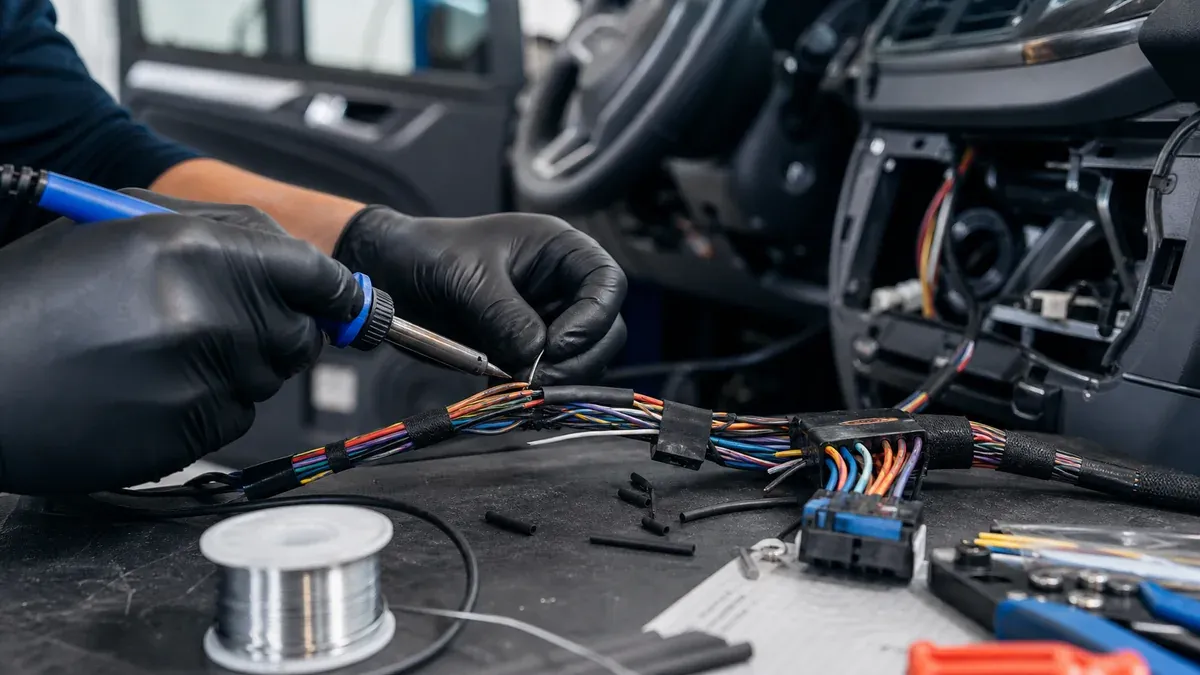
Problems can happen when wiring is tapped poorly, circuits are powered incorrectly, modules stay awake, grounds are weak, or the wrong integration method is used for the vehicle.
Modern vehicles are networked. The remote starter has to work with the factory immobilizer, body control module, ignition circuits, door locks, brake signal, hood pin, and safety shutdowns. If the installation is sloppy, the vehicle may not enter sleep mode properly.
That is where parasitic draw becomes a real problem.
What We Check During A Proper Install
At YEGTires.com powered by nextlvl, the goal is not just to make the vehicle start from a remote. The goal is to make the system behave properly after the vehicle shuts down.
A proper install means:
- Using the correct remote starter and bypass interface for the vehicle
- Making clean, secure connections
- Protecting and insulating wiring properly
- Routing harnesses safely
- Verifying shutdown inputs
- Checking that the system starts and shuts down consistently
- Making sure the vehicle behaves normally afterward
If a vehicle already has battery issues, we would rather identify that early than have the remote starter get blamed later.
Signs Your Battery Problem Is Not Normal
You should have the vehicle checked if:
- The battery dies overnight
- The vehicle needs boosting repeatedly
- The starter cranks slowly in cold weather
- Interior lights or accessories act strangely
- The battery is more than a few years old
- The vehicle sits parked for long periods
- The problem started after any electrical work
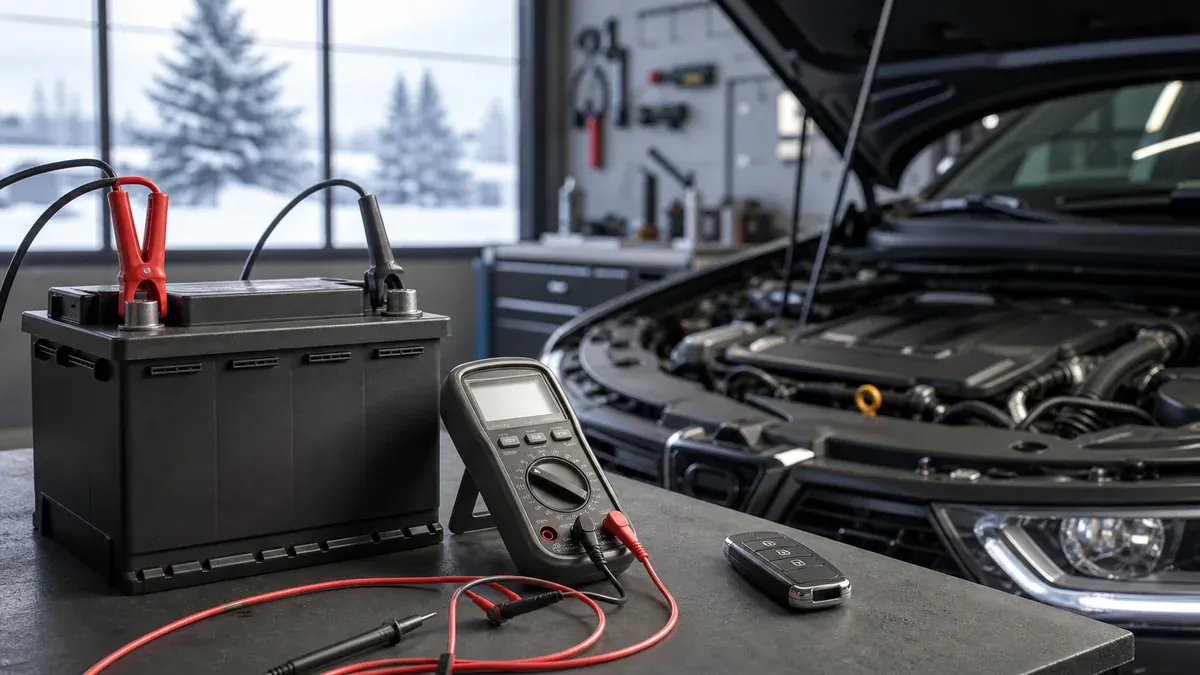
The correct test is a battery and charging system test, followed by a parasitic draw test if needed.
Final Answer
A modern remote starter should not drain a healthy battery when it is installed correctly.
It does use a small amount of standby power, but so does the vehicle's own computer system. Battery drain problems usually come from a weak battery, extreme cold, short trips, poor charging, a vehicle module staying awake, or an installation problem that creates excessive parasitic draw.
For Edmonton drivers, the best approach is simple: use a quality remote starter, have it installed properly, and make sure the battery is healthy before winter hits hard.