All-weather tires can be a great fit for many drivers.
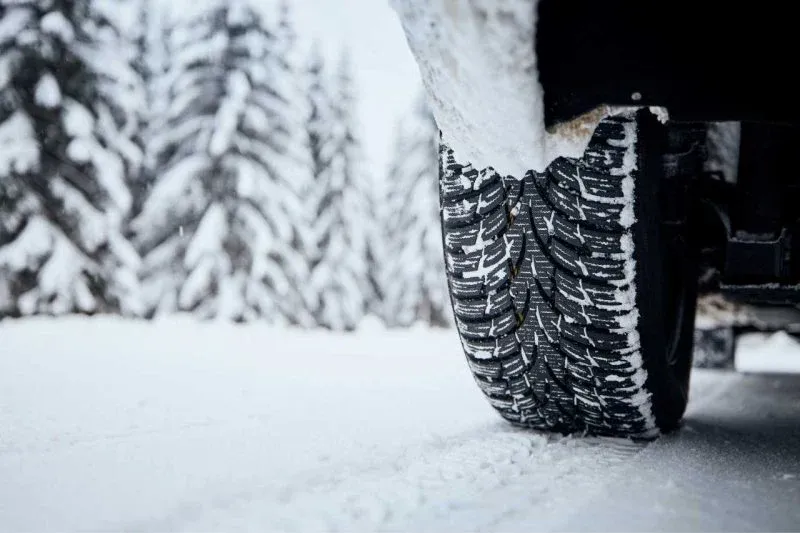
They are not the same as all-season tires. A true all-weather tire is designed to handle a wider range of weather and usually carries the three-peak mountain snowflake symbol, which means it meets a winter traction standard.
For many parts of the world, all-weather tires make a lot of sense. They give drivers one set of tires for rain, light snow, cold mornings, and everyday driving without needing seasonal changeovers.
But Alberta is not most of the world.
Alberta Is Far North And Gets Real Winter
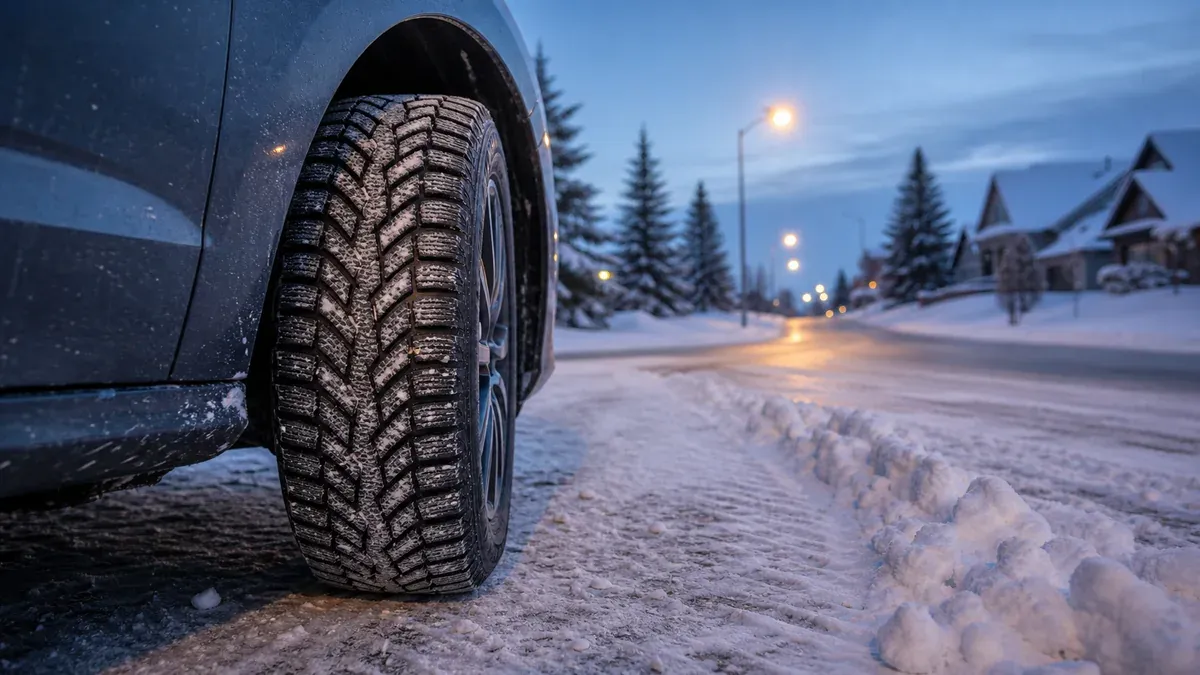
Edmonton and much of Alberta deal with long, cold winters. We do not just get a few days of snow. We get months of freezing pavement, ice, packed snow, deep cold snaps, slush, refreeze, and sudden weather swings.
That matters because tire performance changes with temperature.
When it gets cold, rubber stiffens. A tire that feels fine in mild weather may lose flexibility and grip when temperatures drop hard. Dedicated winter tires use a softer cold-weather compound designed to stay flexible in freezing conditions.
All-weather tires are a compromise. Good ones are far better than regular all-season tires in winter, but most are still trying to balance year-round wear, summer stability, wet braking, noise, fuel economy, and winter grip.
Dedicated winter tires are more focused.
All-Weather Tires Are Not All-Season Tires
This is important.
All-season tires are really three-season tires for many Canadian drivers. They can work well in spring, summer, and fall, but they are not built for serious winter.
All-weather tires are different. They are designed to be used year-round and still provide winter-rated traction.
If you want one set of tires, all-weather is usually the category to look at, not regular all-season.
Ice Is The Big Alberta Problem
Snow gets the attention, but ice is often the bigger issue.
Alberta roads can go from wet to frozen quickly. Intersections get polished. Residential roads can stay hard-packed for weeks. Parking lots can hide black ice. Bridges and overpasses freeze early.
In those conditions, the tire compound and tread design matter a lot.
All-weather tires can help, especially compared with all-season tires. But if your biggest concern is stopping on ice in deep winter, dedicated winter tires usually have the advantage.
Who Should Consider All-Weather Tires?
All-weather tires can make sense if:
- You drive mostly in the city
- You drive lower mileage
- You can avoid driving during major storms
- You want one tire set all year
- You do not want to store a second set
- You want better winter safety than all-season tires
- You are willing to accept a compromise
They are especially useful for drivers who want simplicity but still want a winter-rated tire.
Who Should Choose Dedicated Winter Tires?
Dedicated winter tires are usually better if:
- You commute daily
- You drive early mornings or late nights
- You drive highways
- You drive outside Edmonton
- You work shifts and cannot wait for roads to clear
- You carry family or passengers often
- You live on icy residential roads
- You want maximum winter grip
If winter safety is the priority, winter tires are still the stronger choice.
Why The "Majority Of The World" Advice Does Not Always Fit Here
Online tire advice often comes from places with milder winters.
In a city where winter means a few cold rains and occasional light snow, all-weather tires may be the perfect solution. In Edmonton, winter can mean weeks of deep cold and roads that never fully dry out.
That does not make all-weather tires bad. It just means we have to judge them honestly for Alberta conditions.
Final Answer
All-weather tires can be a very good option, but they are not automatically the best option for every Alberta driver.
For mild winter use, city driving, and people who want one set year-round, a true all-weather tire can be a smart choice. For the best grip in Edmonton's cold, icy, long winter season, dedicated winter tires are still the safer and more capable setup.
At YEGTires.com, we help customers compare both options. The right answer depends on your vehicle, budget, driving schedule, and how much winter traction you actually need.